Leadership. It's a 24/7 Responsibility

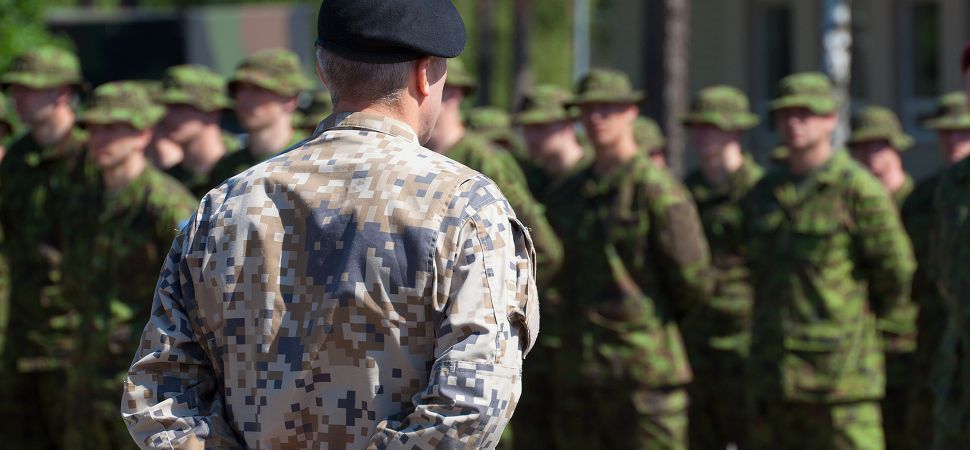
Being a leader isn’t a temporary job. It’s not season position or a typical nine to five. It isn’t a trait that you can turn on or off at your disposal. Being a leader is a permanent characteristic that defines a person.
Coaches often ask for my advice when trying to develop leaders out of their athletes and I often admit that there is no better environment to cultivate leadership growth than the strength and conditioning weight room. I also find it humbling that many other coaches, much my senior, seek my knowledge and expertise about leadership development.
I credit this personal development to expert mentors who’ve groomed and developed world class leadership experiences for myself to foster in. I only mention this because leadership is not always a natural process. As humans, our basic mode for survival often predisposes us to selecting the easiest path of least resistance. The path of least resistance, however, does little to naturally develop leadership qualities that transfer over to the competitive arena.
• Leadership is a permanent trait, not a temporary role you switch on or off
• The weight room is the best environment to cultivate leadership in athletes
• Successful leaders do two things: accomplish the mission and protect the team
• Leaders take responsibility for defeat and give the team credit for victories
At Wichita State, we believe in developing leadership qualities through the combined efforts and struggles shared by a team. There is no better environment for producing natural challenges that test the physical and mental wherewithal, then the strength and conditioning department. At Wichita State, there are three foundational principles that all Shocker athletes abide by.
- We Are Mentally & Physically Tough
- We Don’t Make Excuses And We Don’t Let Others Make Excuses For Us
- We Work Hard
These are our most basic levels of principles that I expect out of every single one of our shocker athletes. From the star athlete to the walk-on redshirt, nobody escapes without meeting those expectations. You would imagine a strength coach to be overly concerned with developing physical strength; however, I am not impressed by amazing increases of physical strength. I’m concerned and impressed by the increases of mental strength. Wichita State athletes are bound to become both physically and mentally stronger through systematic training programs. Shocker athletes will not make excuses for failing to prepare nor will they accept the false excuses given by fellow teammates. Finally, Wichita State athletes will go above and beyond and work extremely hard to accomplish their goals.
What Are The Three Foundational Principles Shocker Athletes Follow?
Those selected individuals who are being groomed as team leaders have even higher expectations from our strength and conditioning department. It is my belief that successful team leaders lead by doing two things;
- Accomplish the mission
- Protect The Team
What Are The Two Jobs Of A Successful Team Leader?
First, without a second of hesitation, successful team leaders accomplish the mission through any adversity that is faced. What I mean by this is that successful leaders, no matter the circumstances, consistently get the job done. If a task is given to a leader, it is executed. If I asked the leader to fulfill a particular role, they do it. If I ask them to confront a teammate, they confront. Successful leaders do whatever it takes, to accomplish the mission given to them.
Secondly, successful team leaders protect the team. Understand the orders of these are absolutely critical. Make no mistake; the most successful leaders will sacrifice feelings and emotions for accomplishing the mission. At the end of the day, leaders execute in order to accomplish the mission. Good team leaders, however, also protect the team by saying what others don’t want to, and demanding expectations that others won’t.
Leaders protect the team by several different means. Successful leader protect the team by demanding nothing but the best out of every single teammate. They don’t allow for excuses to be made nor do they make excuses for others. Leaders also take responsibility for when a plan does not go smoothly. We groom our leaders after a defeat, to address the team by taking responsibility for the loss. A teammate’s failure to follow directions or execute a plan is collectively the responsibility of a team leader. Leaders also give credit to the team when a plan is properly executed. They naturally take responsibility and credit for the failures and give credit to the team for victories.
How Should A Leader Handle A Loss?
Make no mistake; successful leaders will confront others if they are not carrying out the expectations of their responsibility to the team. Leading is about being comfortable with being alone. Having the mental strength to stand alone and carry the pressure and burdens of accepting responsibility for defeat and having the ego and capability of giving away credit in times of victories.
We prepare our Wichita State athletes to be great team leaders and great team mates. Be certain, we prepare our shocker athletes, every single day, to fill either role.