Masterplan Accountability Call Recap: 5 Habits to Help You Thrive After Sport
This post dives into the mindset of accountability for former athletes — tackling “Eat the Frog,” the power of coaching, notebook systems, progress tracking, and letting results drive method. It’s a blueprint for discipline, structure, and staying competitive after sport.


When the locker room lights go out and the schedule disappears, most driven people face the same silent struggle: how do I stay consistent when no one’s watching anymore?
You used to train with structure, deadlines, and a support system that kept you on course; coaches, teammates, the season calendar. But now that you’re on your own, the challenge isn’t starting again; it’s staying consistent when the external accountability vanishes.
This recent Masterplan Accountability Call, it's all about rebuilding that structure. It’s about designing habits, systems, and mindset frameworks that let you stay disciplined long after your playing days are done. Below, I’ll walk you through five key areas you can start implementing today to maintain health, performance, and identity beyond sport.
• Staying consistent after sport is a structure problem, not a motivation problem. These five habits rebuild what the season calendar used to provide.
• Eat the frog by tackling your hardest task first, get a coach or accountability partner who won’t let you lie to yourself, and externalize your mind into dedicated notebooks.
• Track progress with weekly photos instead of scale obsession, and let your results, not dogma, dictate the method.

What You’ll Learn in This Call
🐸 Do the Hard Things First, Eat the Frog
You’ve probably heard the old Mark Twain quote:
“If it’s your job to eat a frog, do it first thing in the morning.”
In performance terms, that means tackling your hardest, most uncomfortable task before the day gets messy. For high performers, this is vital. Early in the day, your biological bandwidth is at its peak; your focus, glucose, and drive are fresh. Waiting until later invites distraction, fatigue, and excuses. The act of “eating the frog” first doesn’t just get a task done; it builds momentum, self-belief, and confidence that compounds across the day.
To apply this, identify one “frog” per morning. Maybe it’s your training session, meal prep, or planning your week. Schedule it early, make it non-negotiable, and protect that block from distractions. It doesn’t matter if it’s perfect; it matters that it’s finished. Over time, this habit teaches your brain that discipline beats comfort. It’s not glamorous, but it’s the difference between people who drift and those who dominate their day.
Why Tackle The Hardest Task First Thing In The Morning?
🏆 Work With a Coach, The Antidote to Self-Sabotage
One of the hardest lessons driven people face is realizing that self-accountability has limits. When the external feedback loop disappears, it’s easy to start shifting goalposts, lowering standards, and rationalizing shortcuts. That’s why reintroducing coaching, even in adulthood, is so powerful. A coach brings structure, honest feedback, and objective eyes on your performance. They become the guardrail that keeps you from veering off course when motivation dips or distractions mount.
In practice, find someone who’s walked your path, a coach, mentor, or accountability partner. Schedule consistent check-ins, share honest progress data (training logs, nutrition, photos), and establish clear consequences for follow-through. You’ll quickly realize it’s not just about programming or metrics; it’s about having someone who won’t let you lie to yourself. Over 365 days, that external structure compounds into consistency you simply can’t achieve alone.
Why Work With A Coach When You Already Know How To Train?
🧠 Externalize Your Mind, The Dedicated Notebook System
Your brain isn’t meant to hold everything. Thoughts, ideas, to-dos, and plans swirling in your head are cognitive noise. People who once thrived on clear structure often struggle when it disappears because the mental “playbook” disappears. The solution? Externalize your mind. I carry three notebooks: one for training logs, one for daily planning, and one for personal reflections.
This system keeps every area of life organized, intentional, and uncluttered.
Here’s how to make it work: choose your medium (paper or digital), assign one notebook per domain, and schedule quick daily “brain dumps.” Jot down tasks, training notes, or ideas as they appear, then move on. Once per week, review each notebook to spot patterns, measure progress, and course-correct. This small, consistent habit clears mental fog, reduces stress, and lets you transition between life, training, and reflection with purpose.
💊 Momentous Creatine
I trust my nutrition, body, and performance to Momentous Creatine , one of the few supplements that’s truly stood the test of time. It’s NSF Certified for Sport®, which means it’s been tested for purity, safety, and quality at the highest level. As a coach, I only recommend what I personally use and what I trust for my athletes. If you’re serious about performance, recovery, and doing things the right way, start with the basics.
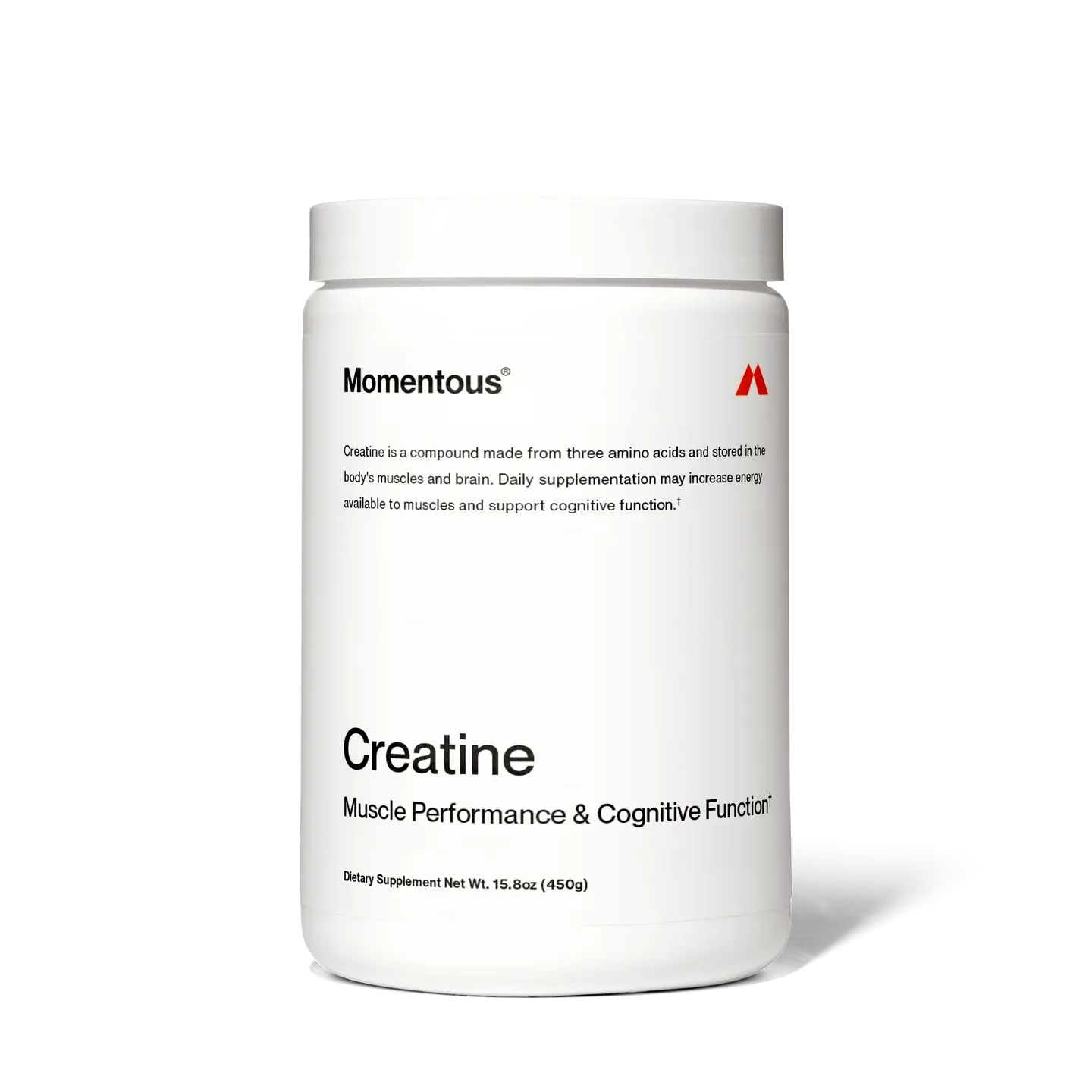
Creatine - 90 Servings
Pure Creapure® creatine monohydrate to support strength, power + brain performance. 5g of clinically backed creatine to fuel muscle and cellular energy. Supports lean muscle growth, endurance, and recovery. Enhances brain function and ATP production for mental clarity.
*NSF Certified for Sport®
$39.95 / 90 Scoops
📸 Weekly Progress Photos, Ditch the Scale Obsession
The scale lies; but your mirror doesn’t. For anyone transitioning out of structured training, chasing a number can become toxic. Weight fluctuates with hydration, sodium, and glycogen, creating false signals of progress or failure. Progress photos, however, tell the truth. They show what’s really happening to your body; the composition, shape, and tone that matter far more than a fluctuating metric.
Here’s your system: pick one day per week, same time, same lighting, same outfit. Take front, side, and back photos, relaxed posture, neutral expression. Save them in a dated folder and compare week to week. The goal isn’t vanity; it’s data. Over time, you’ll spot real changes that the scale can’t capture. You’ll adjust nutrition or training from visual feedback instead of emotion. This simple weekly ritual replaces obsession with awareness, one of the most powerful accountability tools you can build.
🗺️ Let the Results Dictate the Method, Not the Other Way Around
Every athlete loves a good program, but post-career, it’s easy to become dogmatic, loyal to one training style regardless of whether it still works. The truth? Your body will always tell you what’s working if you listen. The best approach isn’t rigid; it’s responsive. Use your results, performance metrics, photos, recovery markers, as feedback loops. If your arms lag, change the volume or tempo. If your legs stall, add variation or load progression.
This principle protects you from emotional programming. Don’t confuse consistency with stubbornness. Be consistent in effort, flexible in method. Use your notebook to track what’s improving and what’s stagnating. At the end of every four to eight weeks, review the data and make one small, intentional tweak. That’s how long-term athletes continue to evolve; by treating their body as a feedback system, not a battleground of rigid routines.
How Do You Choose A Training Method That Keeps Working?
☎️ Building Accountability Beyond Eligibility
The five pillars of Masterplan accountability are simple, but rarely easy:
- Eat the frog early.
- Work with a coach.
- Externalize your mind.
- Track progress visually.
- Let your results guide your methods.
Do these, and you’ll replace the structure you lost with a system you own. The game may be over, but the habits, discipline, and mindset of an athlete never have to end. Your mission now is to build a life where your performance still matters; not because someone’s watching, but because you still are.
If you’re part of the Masterplan, share your “frog” for tomorrow and your progress plan inside the Masterplan. That’s your first accountability rep.
Stay relentless. Stay accountable. Keep building.
This video is part of the Masterplan, Adam’s private video library.
👉 Want to catch the full Accountability Call? Scroll down and watch the video below. Then leave a comment with what topic hit home the most for you.

Watch the Full Accountability Call
This video is packed with REAL WORLD advice for anyone who wants to stay consistent with training, nutrition, & lifestyle habits after their playing days.
Not Yet a Member? - JOIN NOW!