Accountability, Leadership, and Smarter Training: Masterplan Call Recap Video
Accountability after sports means tracking what matters, setting bold goals, working at the right times, leading with trust, and training smart for longevity. Former athletes can thrive by staying disciplined, structured, and intentional long after their playing days are over.

Accountability never really goes away, it just changes form. Instead of game schedules, practice plans, or weight room sessions dictated by coaches, accountability becomes about how we manage our recovery, training, leadership, and productivity as adults.
In this Masterplan Accountability Call, I tackled five essential topics that can keep you progressing long after your playing days: why tracking matters, how to set goals that stretch you, when to schedule your best mental work, strategies for leadership transitions, and safer alternatives to the back squat.
• Accountability is a daily practice, not a season: track training, nutrition, and life.
• Set goals so big they demand a new version of you.
• Train for longevity, not tradition. Smarter beats harder over decades.

What You’ll Learn in This Call
Why Tracking Matters
If it’s important in life, you need to track it. Tracking can feel tedious, but those who consistently measure the key areas of their life are the ones who continue to progress. Peter Drucker said it best: “What gets measured, gets managed.”That’s not just a catchy quote, it’s reality.
Here are some of the things I personally track: my lifts and training progressions through a pencil-and-paper logbook (thanks to Dante Trudel’s influence); my macros and hydration through MacroTracker to ensure my nutrition matches my training phase; my finances through YNAB (You Need A Budget) so every transaction is tied to a zero-based budget; and my health metrics through Bevel Health to stay on top of markers that matter. Tracking isn’t glamorous, but if you want to stay accountable, it’s non-negotiable.
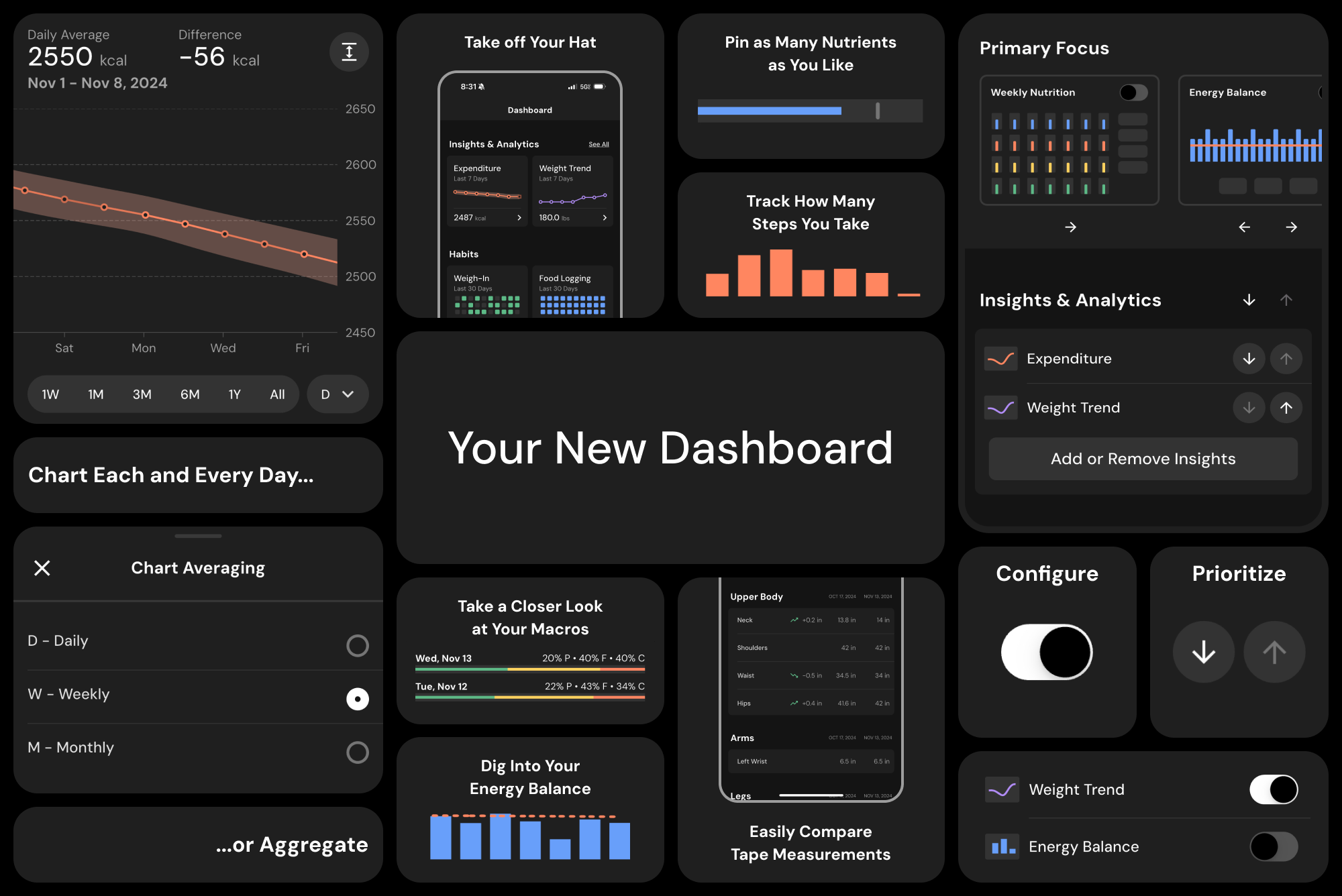
What Should I Track To Stay Accountable?
Goals That Demand a New You
Too many people set goals so low that they require no growth, no adaptation, no evolution of who they are. The result? A race to mediocrity, where everyone is competing for the same “realistic” goals. As Tim Ferriss pointed out, 99% of people convince themselves they’re incapable of achieving great things, and so they aim low. Ironically, those realistic goals become the hardest to achieve because everyone is fighting for them.
Instead, the solution is to set goals so high they demand an entirely different version of yourself. That’s where growth happens. As people chasing better performance, we know what it feels like to chase the “impossible.” The lesson here? Don’t just settle for realistic. Aim so high you have no choice but to level up your mindset, your habits, and your systems.
When Should I Do My Hardest Mental Work?
The Best Time for Mental Work
A fascinating study published in Frontiers in Psychology looked at over 100,000 oral exams conducted at an Italian university and revealed something powerful. Pass rates followed a bell curve, peaking between 11 a.m. and 1 p.m., regardless of whether students were “morning people” or night owls. The earlier or later in the day exams took place, the lower the pass rate.
The takeaway? Cognitive performance isn’t just about effort, it’s about timing. Midday is the sweet spot for retention, focus, and execution. You can use this insight to structure your workday like a training session: tackle the most mentally demanding work late morning or just before lunch, when focus naturally peaks. Think of it as programming your brain for max performance just like you’d program your body.
Leadership Transition Strategies
Leadership transitions can feel like walking into a new locker room, full of established dynamics, personalities, and expectations. When stepping into a leadership role, your first moves matter. Based on both coaching and organizational experience, here are four strategies for a smoother transition:
- Meet Your Team – Before making changes, know who you’re working with and how they operate.
- Listen First – Don’t rush to prove yourself by issuing orders; instead, earn trust by listening.
- Find Quick Wins – Long-term plans build culture, but short-term wins establish credibility.
- Transitions Over Purges – Realign roles when necessary, but avoid needless upheaval.
The goal isn’t to prove authority, it’s to build trust, demonstrate competence, and move the team forward without unnecessary disruption.
Do I Have To Keep Back Squatting?
Safer Alternatives to the Back Squat
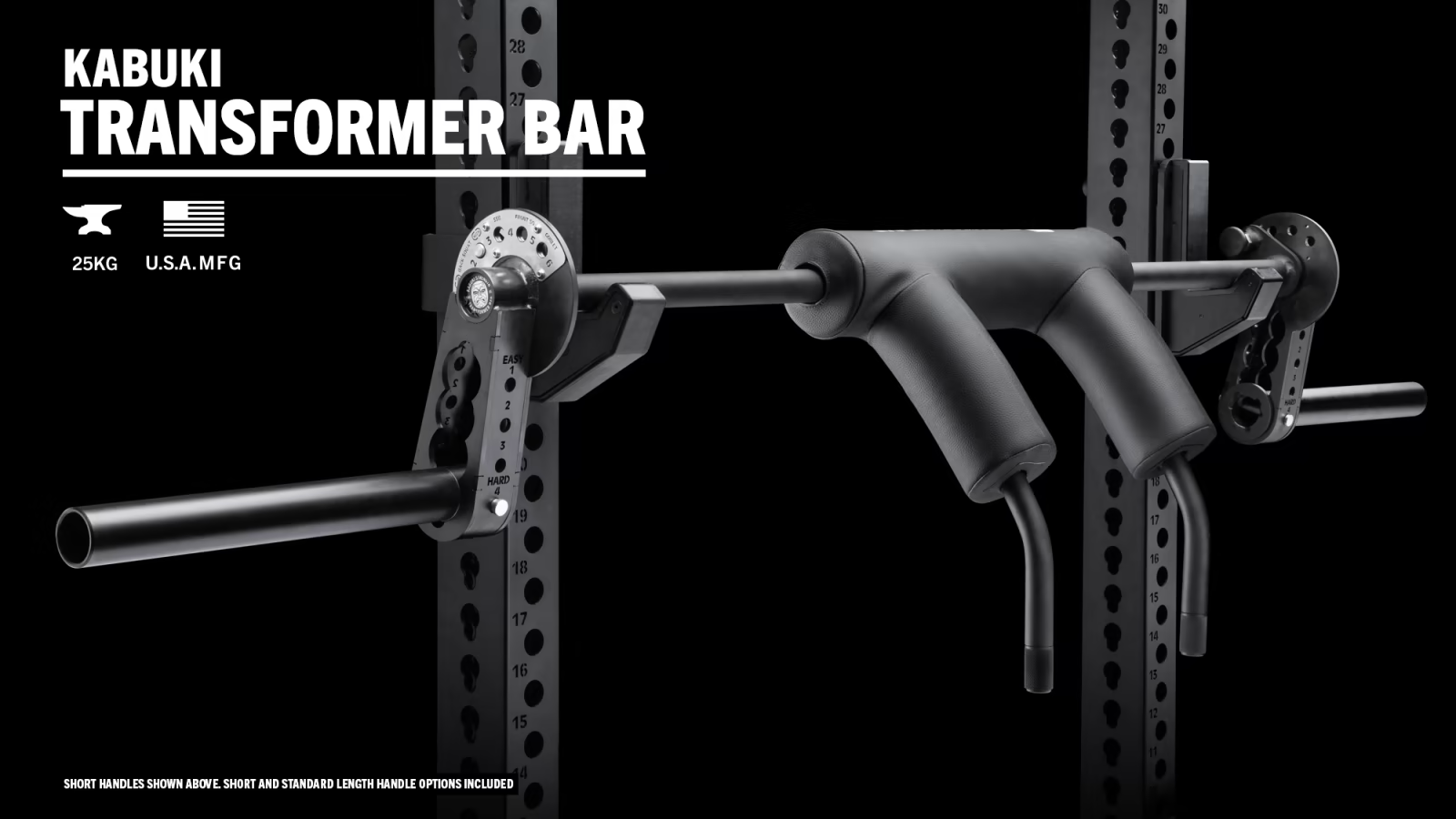
I’ll say it upfront: I don’t back squat anymore, and I probably never will. Before you call me Mike Boyle, let me explain. Training longevity matters more to me than chasing tradition. That’s why I rely on safer tools like the Safety Bar Squat or the Kabuki Strength Transformer Bar. Paired with Hatfield handles, these movements allow me to train heavy without putting my spine or low back in unnecessary jeopardy.
Training should be one of the best parts of your day, not a source of chronic injury. Anyone who’s trained hard has dealt with wear and tear, so why pile on more risk? By choosing smarter, safer alternatives, you extend your training career, keep making progress, and protect your body for the long haul.
Show Wrap-Up
Accountability shows up in how we measure progress, the goals we chase, when we schedule our hardest work, how we lead others, and the choices we make in the gym. None of these are small things, they’re the daily details that separate stagnation from growth. That’s the heartbeat of the Masterplan: keeping each other accountable to the process, even when no one’s keeping score anymore.
This video is part of the Masterplan, Adam’s private video library.

Watch the Full Accountability Call
This video is packed with REAL WORLD advice for anyone who wants to stay consistent with training, nutrition, and lifestyle habits.
Not Yet a Member? - JOIN NOW!