Former Athlete Society | My Question & Answer Session Tackling Real Problems with Real World Solutions
Former Athlete Q&A covering calorie clarity, winter hydration, staying active in snow, improving sleep, and rebuilding training structure. Practical strategies former athletes can use immediately to feel stronger, healthier, and more in control again.

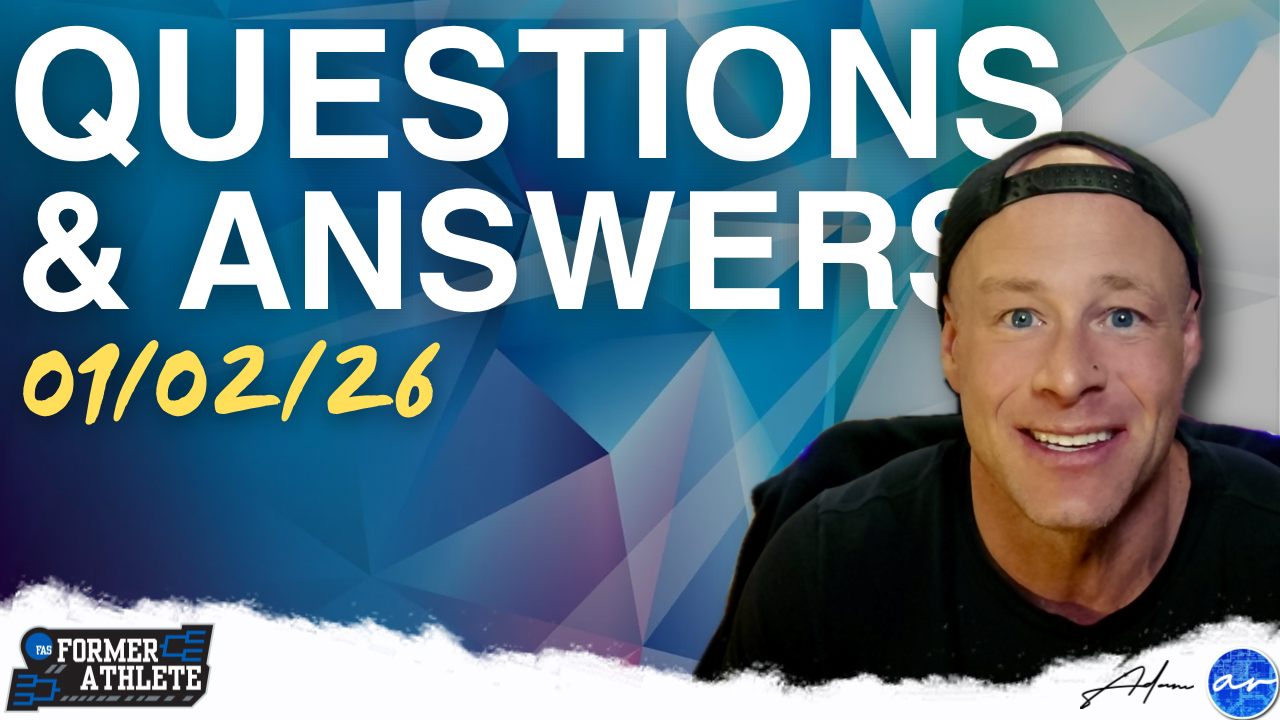
One of the best parts of hosting live Q&A calls inside the Former Athlete Society is seeing the patterns. Different people, different cities, different backgrounds, but the same underlying challenges show up over and over again.
Not motivation problems.
Not discipline problems.
Clarity problems.
This last Question & Answer session covered five questions that I guarantee a large percentage of former athletes are wrestling with right now. Nutrition confusion. Seasonal hydration issues. Staying active in brutal winters. Sleep disruption from nighttime bathroom trips. And that quiet, nagging feeling of being lost in training.
Let’s walk through each one.

Here’s what I'm covering...
1. The “I Don’t Know How Much I Should Be Eating” Problem
This question came from a Former Athlete Society member who felt completely stuck trying to figure out calories, macros, and food choices. And honestly, this is one of the most common pain points I see.
Most former athletes were never taught how to eat for themselves. They ate what the program gave them. Team meals. Fueling tables. Dining hall plans. Once that structure disappears, people are left guessing.
The first thing I always say is this. If you have access to a quality registered dietitian, that is the gold standard. A good RD can individualize intake, account for health history, training load, and lifestyle stress, and remove a lot of mental friction.
But if that is not an option, the next best move is data.
 MacroFactor Team
Using a macro tracking application like MacroFactor gives you visibility into your true total daily energy expenditure. Not an estimate. Not a calculator. Real feedback based on what you eat and how your body responds.
Tracking is not about perfection. It is about awareness. You learn how many calories you are actually eating. You see how changes in intake affect body weight, performance, and recovery. You stop guessing.
Once you understand your baseline, decisions become easier. You can adjust with confidence instead of emotion. And for former athletes, that shift from confusion to control is massive.
2. Seasonal Hydration, Joint Pain, and Why Winter Sneaks Up on You
This question came in through Instagram from Sarah in Bozeman, Montana. She noticed that as the seasons changed, her water intake dropped and her joints started feeling stiff and achy.
This is extremely common.
When it is hot, hydration cues are obvious. You sweat. You feel dry. You are reminded constantly to drink. When temperatures drop, those signals disappear. But your body’s need for water does not.
You are still losing fluids through breathing. You are still losing water during training. You still need hydration to lubricate joints, support nutrient delivery, and regulate recovery.
Cold air, dry indoor heating, and altitude all increase fluid loss without you realizing it. So intake drops, dehydration creeps in, and joints start barking.
The fix is not complicated, but it does require intention. You cannot rely on thirst alone in colder months. Morning hydration matters. Fluids around training matter. Visual reminders help. Even warm beverages can count toward intake if they improve consistency.
This is not about overthinking hydration. It is about respecting that your environment has changed. Your joints are not aging overnight. They are asking for water.
3. Staying Active When There’s Two Feet of Snow on the Ground
This question came from Brian in Marquette, Michigan, inside The Blueprint. He asked how to stay active when winter weather makes outdoor movement difficult.
Here’s the truth. Winter is where systems either hold or collapse.
This is the season where convenience matters more than motivation. A gym that is five minutes away beats the perfect gym across town. A simple setup in your basement beats relying on willpower when the roads are bad.
Personally, I do a lot of my low-intensity work on a spin bike in my basement. No drive. No friction. No excuses. That matters more than any fancy setup.
You do not need much equipment to maintain fitness. A bike. A few dumbbells. Resistance bands. A space where movement is easy to start. When friction is low, consistency goes up.
Winter punishes complexity. If your plan depends on ideal conditions, it will fail. Simple systems survive the season.
4. Waking Up at Night to Urinate and What Actually Helped Me
This question came from Tom in Fort Collins, Colorado. He asked about waking up multiple times per night to urinate and what can be done.
First, a clear disclaimer. If something feels medical, see a professional. Always.
That said, I have dealt with this personally, and I want to share what helped me.
The first change was being mindful of sodium intake later in the day. Not eliminating it. Just not loading it at night.
Second was tapering fluids about two hours before bed. That does not mean dehydration. It means front-loading hydration earlier in the day so bedtime is not fluid-heavy.
Third was fully emptying the tank before bed. No rushing. Actually taking the time.
And the one that surprises people. A Sprite Zero before bed. The carbonation and potassium have helped reduce nighttime wake-ups significantly for me.
 Adam Ringler
Is it magic? No. But sleep quality improved fast. And when sleep improves, everything else follows.
5. “I Feel Lost With Training and I’m Struggling to Stay Motivated”
This question came from a Former Athlete Society member who felt disconnected from training and unsure how to move forward.
This is not a motivation problem. It is a structure problem.
Former athletes thrive in systems. Schedules. Feedback. Accountability. When that disappears, training becomes aimless, and aimless training kills consistency.
That is exactly why I built the training programs at:
 Adam Ringler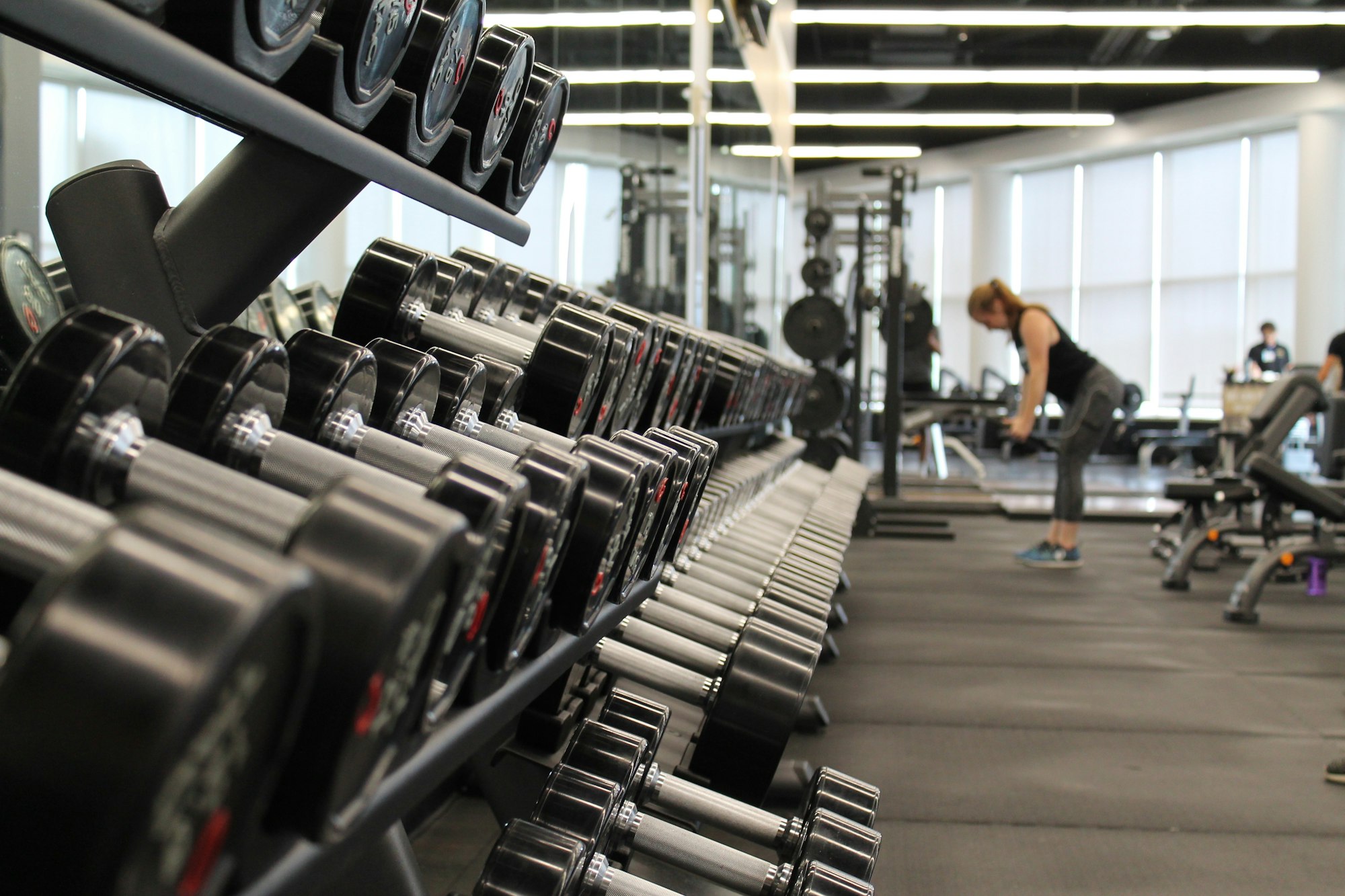
I work with former athletes all across the globe who want to feel strong again, train with purpose, and rebuild confidence in their bodies. These programs remove guesswork. You know what to do, when to do it, and why it matters.
You do not need to feel fired up every day. You need a plan that shows up for you when motivation fades.
Your best days are not behind you. You are not broken. You are not done. You just need structure, guidance, and accountability to bring it all back together.
And I can help you do that.
Final Thoughts
These five questions are not random. They represent where former athletes are right now.
Confused about food. Under-hydrated without realizing it. Struggling with seasonal consistency. Protecting sleep. Searching for direction in training.
None of these problems require extreme solutions. They require awareness, systems, and support.
That is what the Former Athlete Society exists for. And it is why we keep showing up every week.
If you were nodding along while reading this, you are not alone. And you do not have to figure it out by yourself.

All of These Questions were Answered!
During our LIVE YouTube Q&A Session but you MUST be a member to access the exclusive behind the scenes content and information!
Join the Society to WatchClosing Thoughts
If these five answers hit home, it’s because they come from the same place you do; the gym, the locker room, the weight room grind. Once an athlete, always an athlete.
And if you’re ready to get serious again — to have structure, accountability, and direction — then it’s time to join the Former Athlete Society.
Keep sending your questions, because these conversations are what make this community thrive every week!