5 Lessons Every Former Athlete Needs to Hear: Training Smarter, Eating Better, and Staying Consistent as You Age
From fish oil essentials to fasted cardio, meal timing strategies, hydration fundamentals, and making cardio enjoyable again — this session gives Former Athletes clear, practical guidance to train smarter and feel better every day.


When I host these live Q&A sessions inside The Former Athlete Society, I never know exactly where the conversation is going to go. And honestly, that’s what makes them so valuable. Former athletes don’t ask random questions; they ask the questions that come from real schedules, real frustrations, and real attempts to stay connected to the version of themselves they still want to be proud of.
This week’s session hit five topics that come up again and again among former athletes: traveling while training, supplements that actually matter, fasted versus fed cardio, meal frequency, and hydration. What ties all of them together is this theme: most people aren’t struggling because the plan is bad. They’re struggling because life keeps changing. These questions help anchor the routine back into something stable.
Let’s break them down.

Here’s what I'm covering...
1. Training on the Road — and Why “Plan B” Should Look Almost Exactly Like Plan A
Training while traveling is something every athlete deals with the moment they stop playing sports and start living a real adult life. Flights, business trips, family trip; they all interrupt momentum if you're not careful.
The big misconception is that you need to reinvent your workout just because you're training in a hotel gym. The truth is the exact opposite. When the environment changes, the structure becomes even more important.
If your home session starts with a hinge pattern, start with a hinge pattern. If you normally superset accessories, keep that the same. If you train movement patterns in a certain order, don’t abandon it just because the dumbbells only go up to 50.
Improvise, but don’t innovate. Keep the skeleton of your plan intact, and you stay consistent without overthinking it.
2. Fish Oil, Joint Health, Cognitive Function, and Aging Like an Athlete
Fish oil comes up a lot because it’s one of those supplements that’s been drowned in marketing noise. But when you take a step back, EPA and DHA are two of the most evidence-supported nutrients for long-term joint health, inflammation, and cognitive aging.
Former athletes beat their bodies up for decades. They feel inflammation differently than the average gym-goer. That’s why I recommend two specific products:
- Gorilla Mind Elixir – extremely clean breakdown of EPA/DHA
- Momentous Omega-3 – highly reputable, athlete-driven quality control
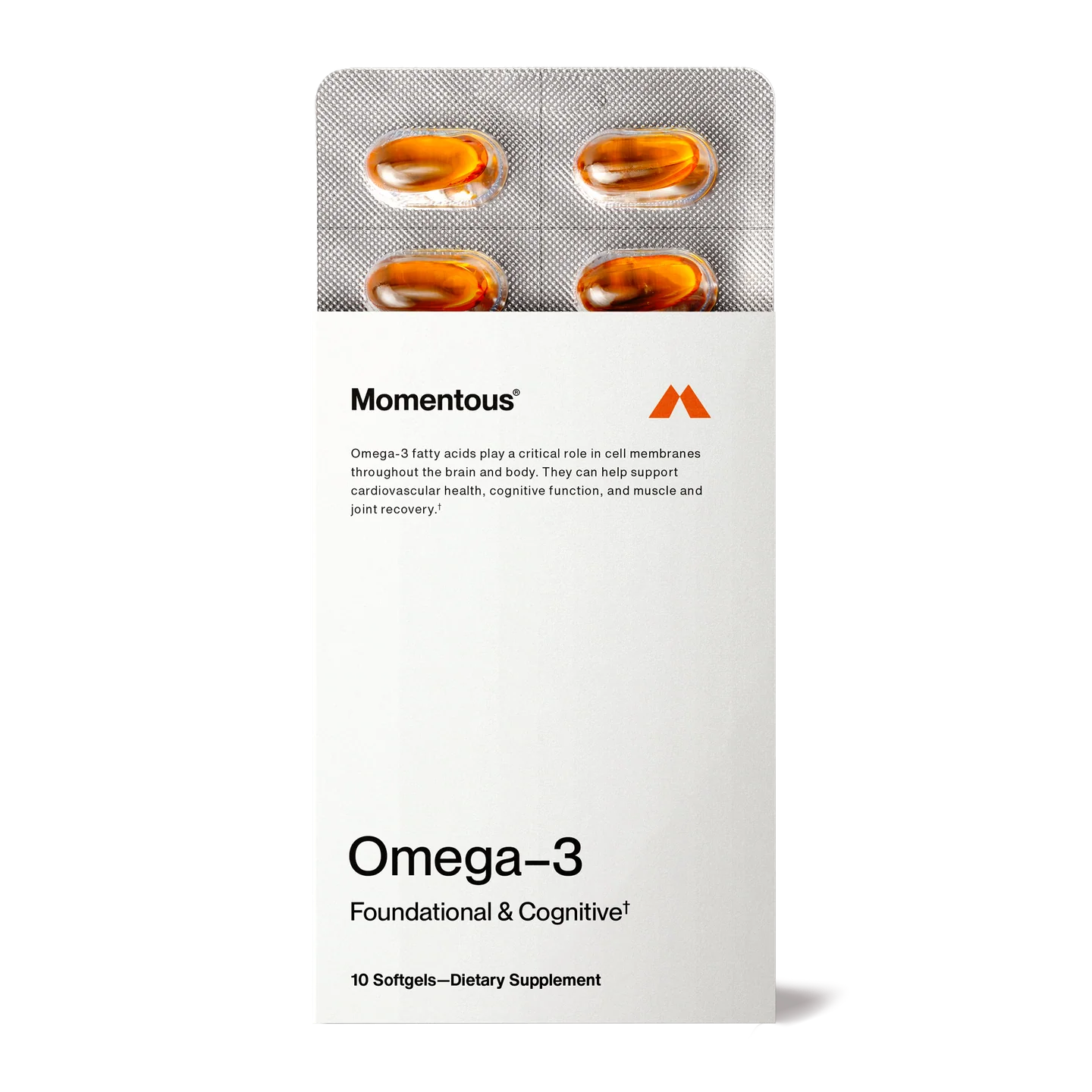
Momentous Omega-3 Travel Packs
Single-serve omega-3 softgels with 1600mg of EPA + DHA for daily brain and body support. Foundational & Cognitive
5 Total Servings: $2.99/Serving
What I love about fish oil is that it’s not a quick fix; it’s a long game investment. It keeps joints moving, reduces the “creaky” feeling so many of us get in our 30s and 40s, and supports long-term brain health.
Supplements don’t matter until they do. This is one that matters.
3. Fasted vs. Fed Cardio: Why the Debate Is Overblown
There are entire internet wars over whether fasted cardio burns more fat. And for elite endurance athletes, sure; timing and substrate availability play a role.
But for the other 95% of the population? It barely matters. If you want to do cardio fasted because it feels good; do it. If you want to eat before so you have more energy; do it.
The real outcome driver isn’t timing, it’s adherence. If one approach makes you dread training, you’re not going to stick with it. Most people need structure, a routine start time, and the confidence of saying “I know exactly what I’m doing today.” That’s what creates actual change.
4. Meal Frequency, Nitrogen Balance, and Structuring Food Around Training
This is where I differ from a lot of mainstream advice, but it’s also where years of coaching athletes have shaped my thinking. I like 6–7 smaller meals, starting around 6 AM and ending around 9 PM.
Here’s why:
- Protein synthesis has a rhythm; you want to stimulate it regularly
- Smaller meals mean smoother digestion and steadier energy
- It keeps you in a more positive nitrogen balance throughout the day
But the bigger rule is this:
Meals are either protein + carbs or protein + fats. Not both.
I keep carbs centered around the training window. I keep fats for the quieter parts of the day. I then try to avoid mixing them because it creates a less predictable energy response.
You don’t need to follow this perfectly, but you should understand why it works.
5. Hydration, Electrolytes, and the Environments We Ignore
Most former athletes think they hydrate well because they used to. But training at altitude, in humidity, or in dry climates instantly changes the equation. Water alone sometimes isn’t enough. Sweat doesn’t only pull water; it pulls sodium, potassium, and magnesium.
Electrolyte replacement becomes essential when:
- You train in dry air
- You live at altitude
- You sweat heavily
- You train multiple times a day
- You’re older and feel fatigue faster
Hydration isn’t about thirst. It’s about performance, joint lubrication, and recovery. If you train hard, especially in Boulder-like conditions, electrolytes aren’t optional.
Final Thoughts
The through-line in all five of these topics is simple: former athletes don’t need extreme answers. They need clarity, structure, and small, predictable habits that fit inside demanding adult lives.
Whether it’s supplementation, nutrition, hydration, or staying on track while traveling; every one of these questions is about building a lifestyle that feels athletic again, even without the jersey.
If you want coaching, accountability, and a group that actually understands what it means to transition out of competitive sports; the Former Athlete Society is where you belong.

All of These Questions were Answered!
During our LIVE YouTube Q&A Session but you MUST be a member to access the exclusive behind the scenes content and information!
Join the Society to WatchClosing Thoughts
If these five answers hit home, it’s because they come from the same place you do; the gym, the locker room, the weight room grind. Once an athlete, always an athlete.
And if you’re ready to get serious again — to have structure, accountability, and direction — then it’s time to join the Former Athlete Society.
Keep sending your questions, because these conversations are what make this community thrive every week!