Closing a Chapter at Colorado
Nearly a decade at Colorado shaped a journey built on relationships, resilience, and unseen work. From early mornings to hard seasons, the impact of athletes and staff made it more than a job

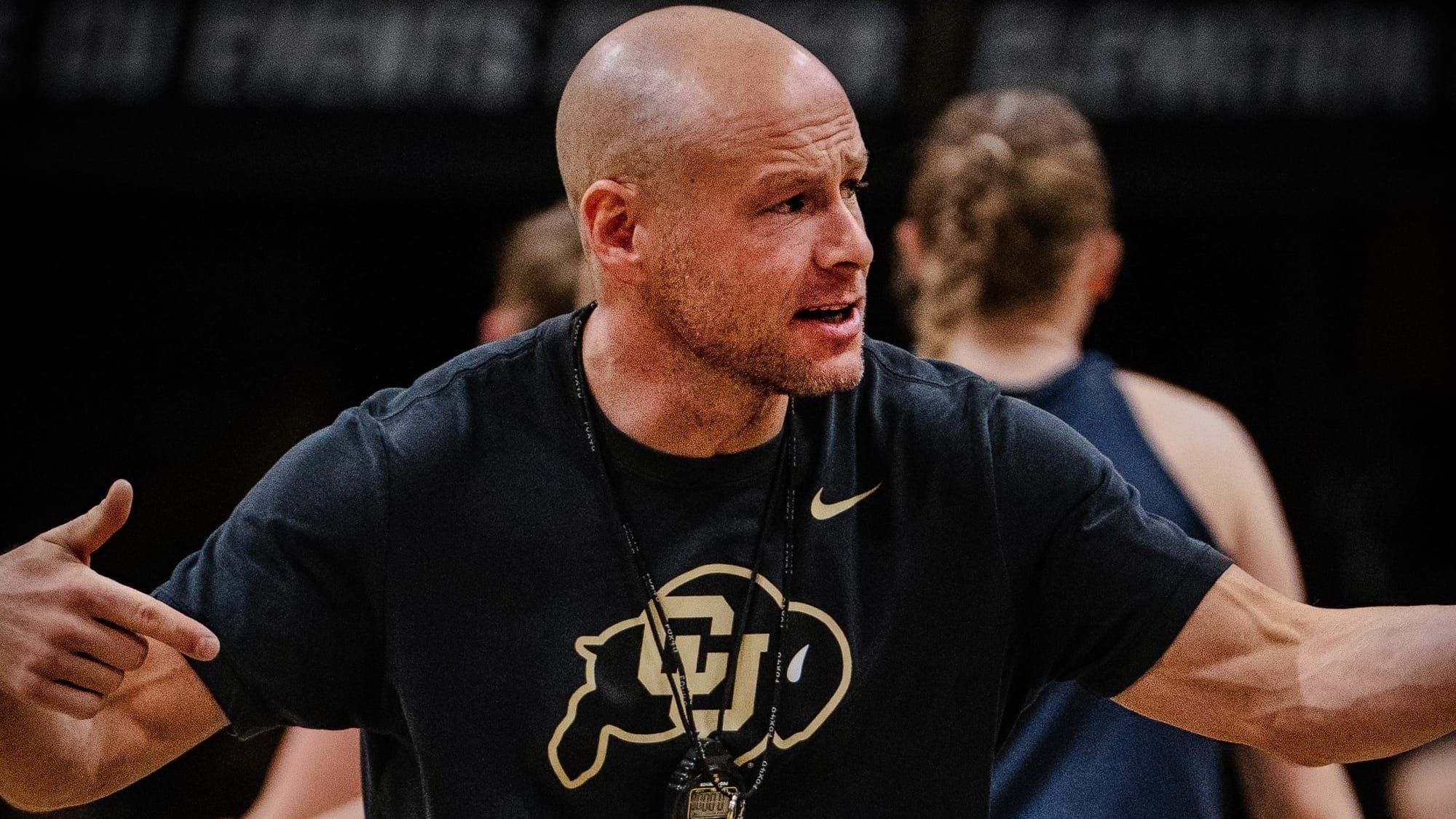
A decade ago, I walked into University of Colorado with a plan. This week, I walked out the weight room for the last time as their coach.
It’s a simple sentence, but a lot more goes into those words than one might initially think. There’s nothing quite simple, or easy, about walking away from a place that’s played a part in almost a decade of your life, both professionally and personally. It’s a place where something that began as an opportunity slowly grew into something much deeper, something much harder to define, and something much harder to walk away from.
When I first came to the University of Colorado, I didn’t have a plan, per se. At least, nothing too concrete. Nothing too philosophical. Nothing too visionary. All I knew was that I was going to show up to work every day, work as hard as humanly possible, and help the people around me get a little better. And that was it. That was the plan. The end. Simple, right? Wrong. As the days went by, though, something began to shift. The role, which began as an budding opportunity, slowly began to evolve into something much, much more. The building, which began as a building, slowly began to evolve into something much, much more.
A great deal of what this profession is, and what it entails, isn’t necessarily seen by the outside world. They see the games, the games we win, the games we lose, the rankings, and the outcomes. They don’t necessarily see the early morning hours when it’s still dark outside and the weight room is just starting to come alive. They don’t necessarily see the long days, the days that go from training sessions to meetings to practice and back again. They don’t necessarily see the quiet moments after a difficult loss, or the daily work it takes to help the athletes navigate their performance and their everyday lives.
Legendary Strength and Conditioning Coach of Michigan State University Ken Mannie said it best: “Champions are made on a thousand invisible mornings.” That line has lived in my mind rent-free for years, and the longer I’ve done this, the more I know it’s true. It shows up in every corner of what we do. It’s in the discipline, the consistency, the choice to show up and give something of yourself daily, even when there’s no recognition waiting on the other side.
That’s where the real work exists, in those moments, in those daily efforts, in those quiet moments.
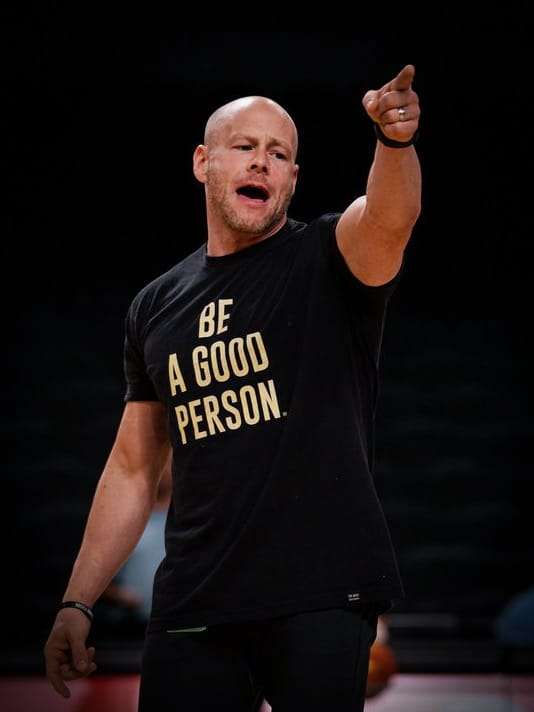
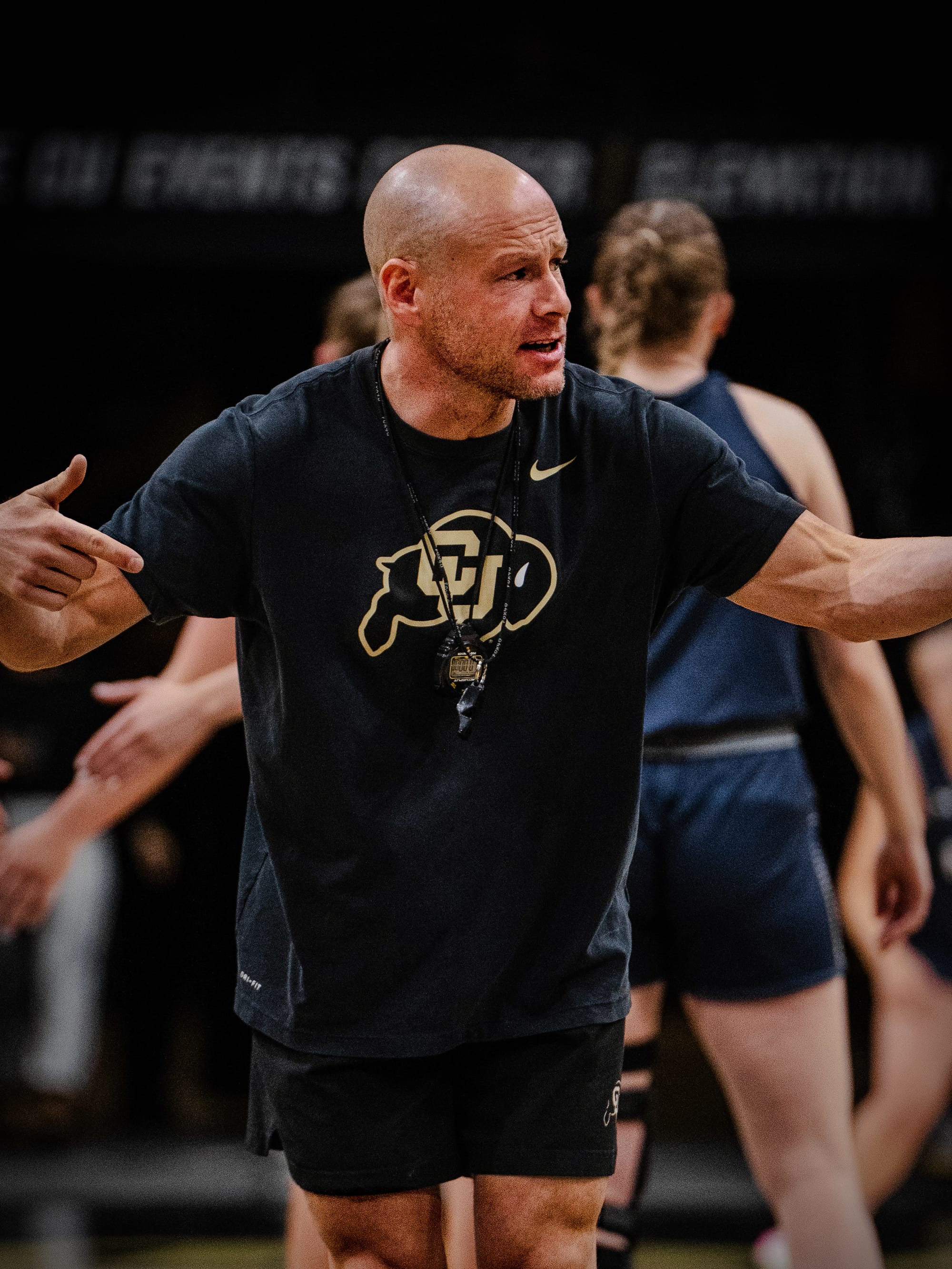
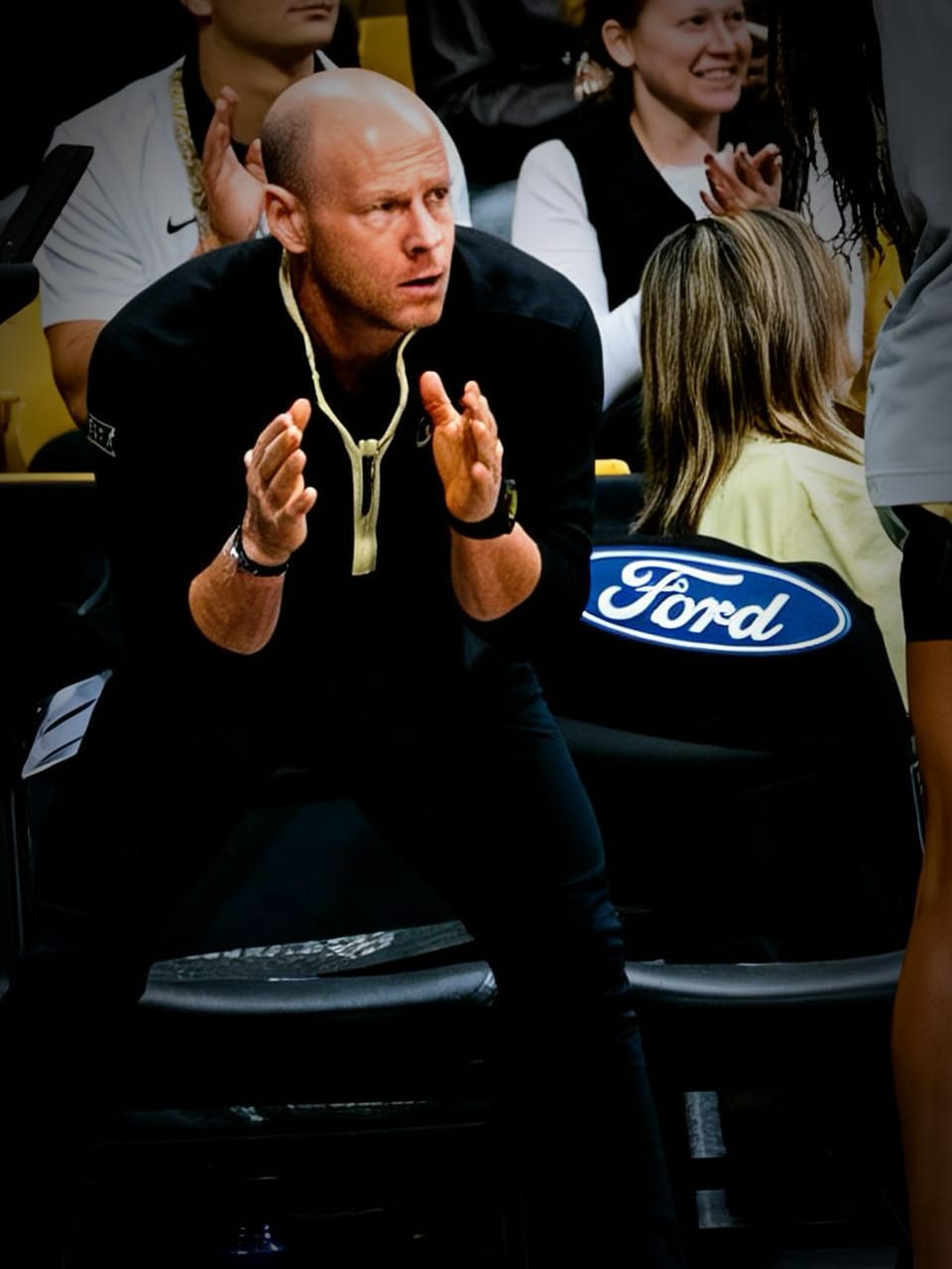
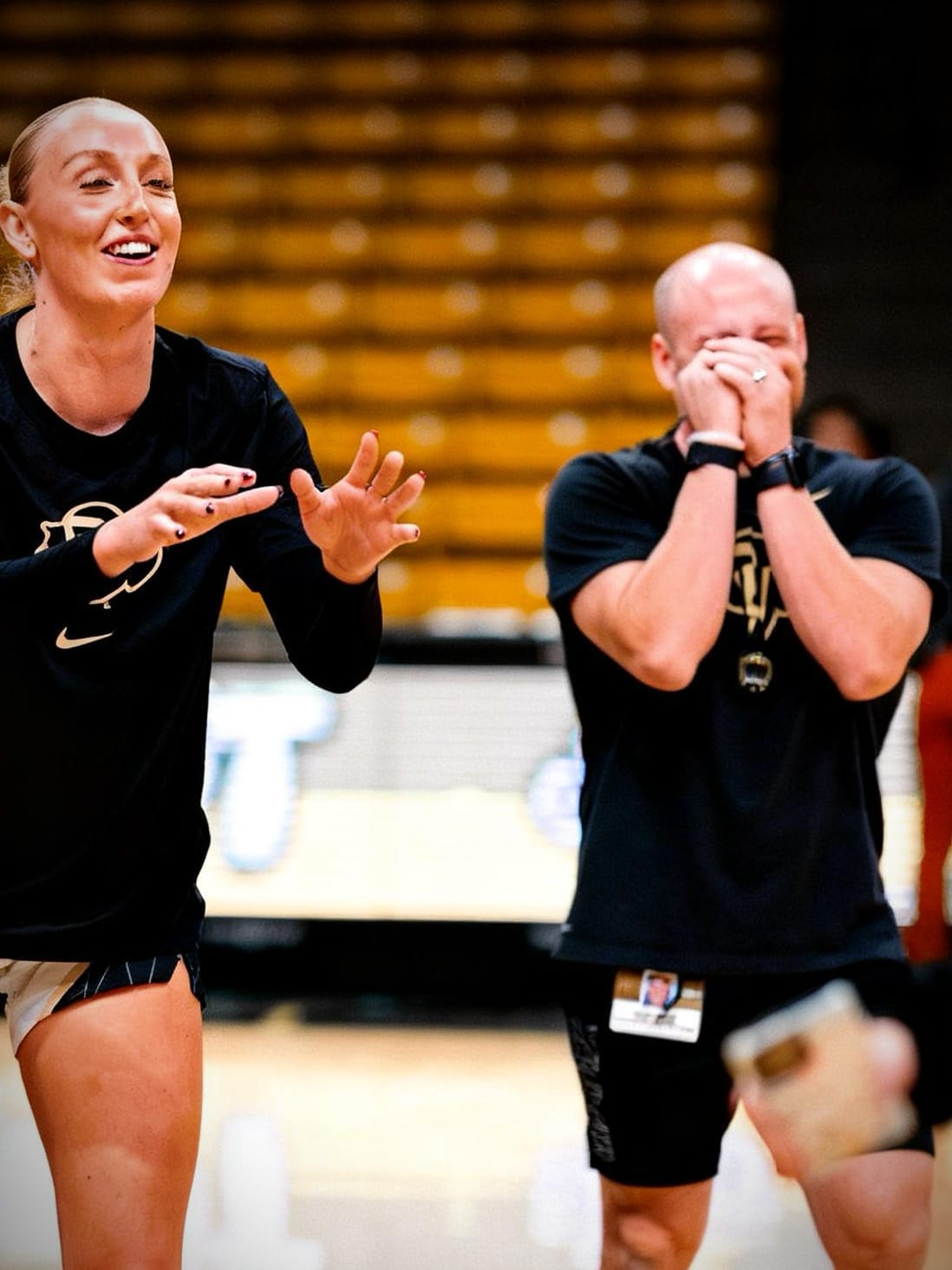
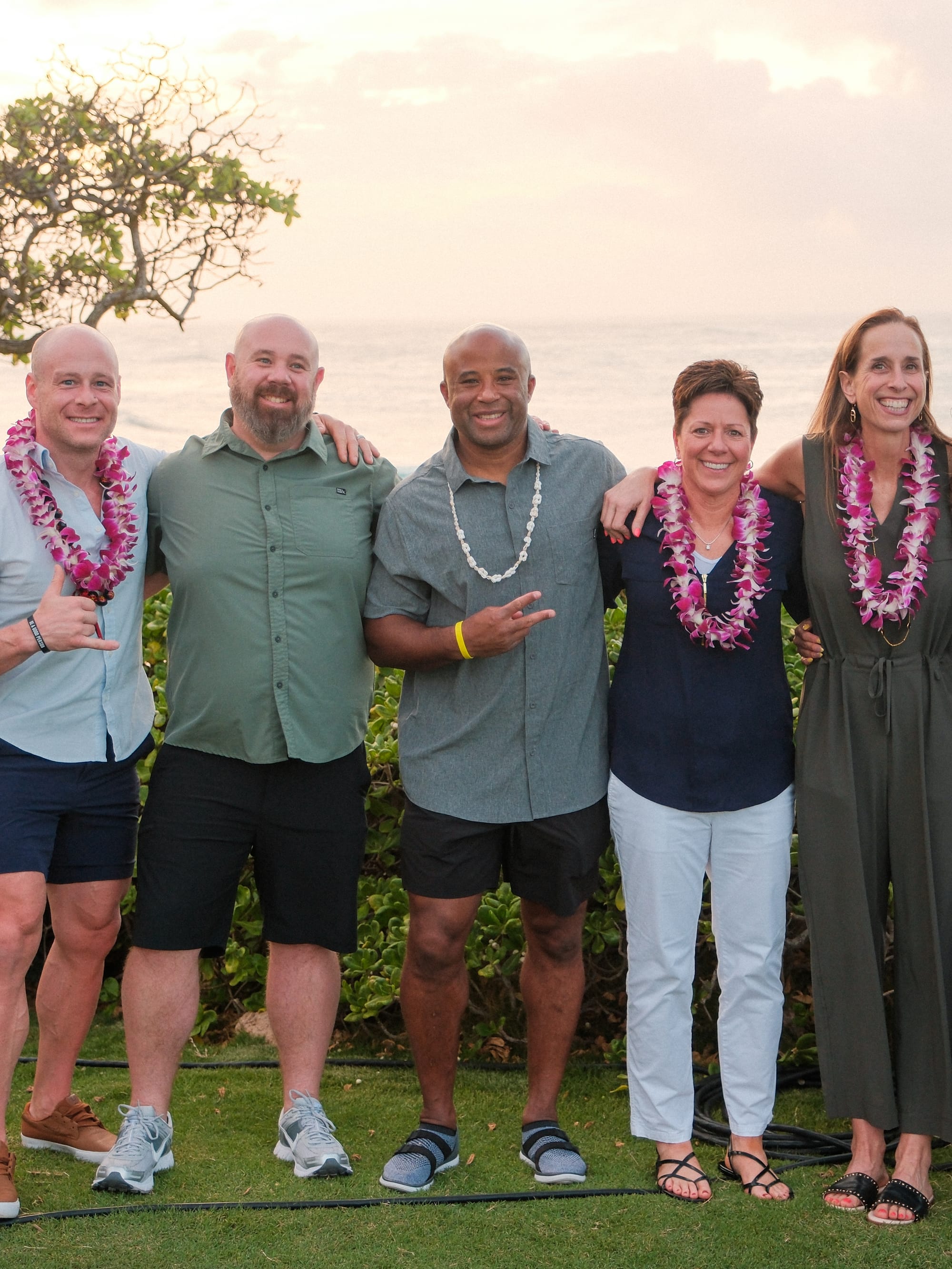
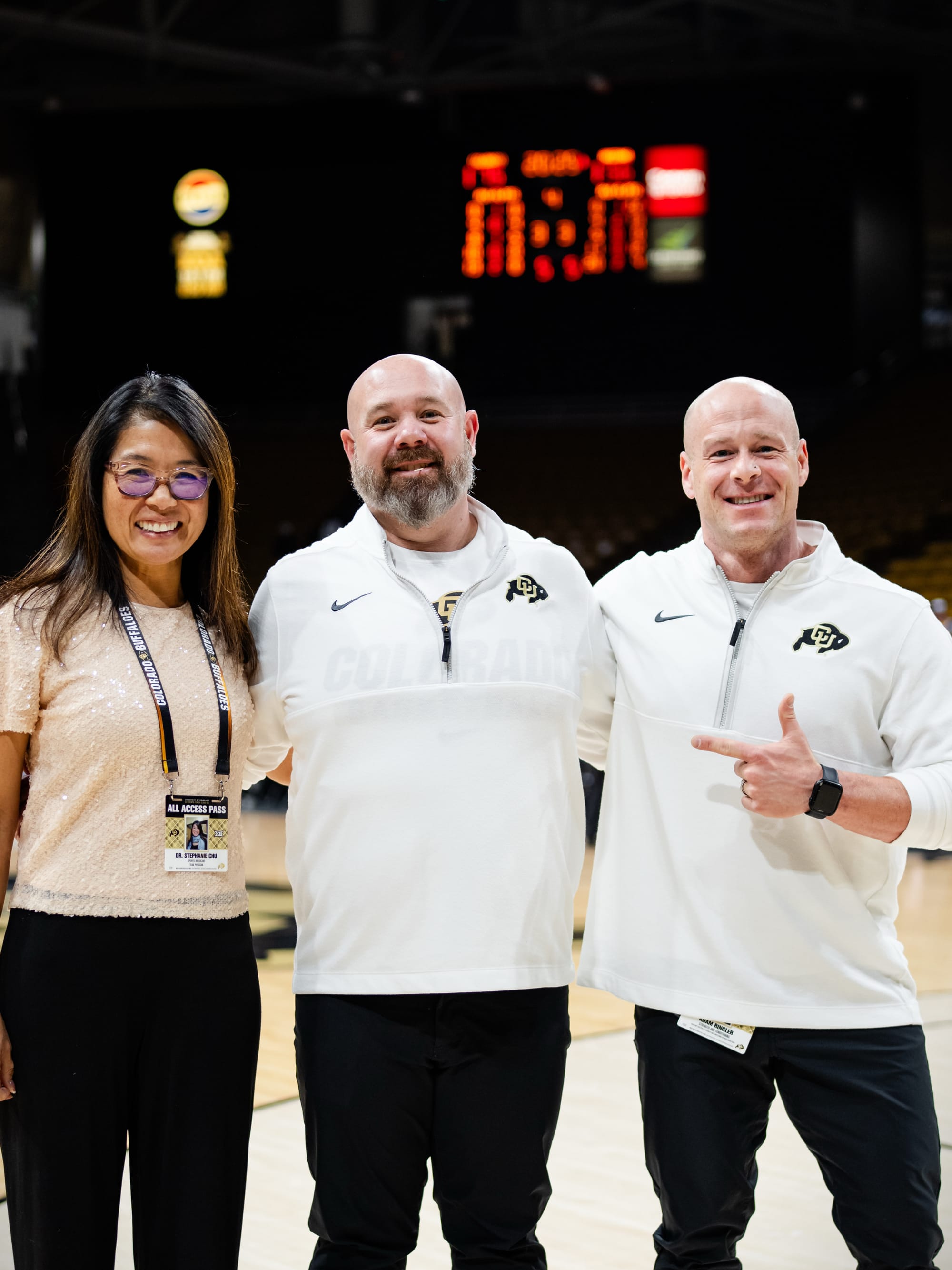
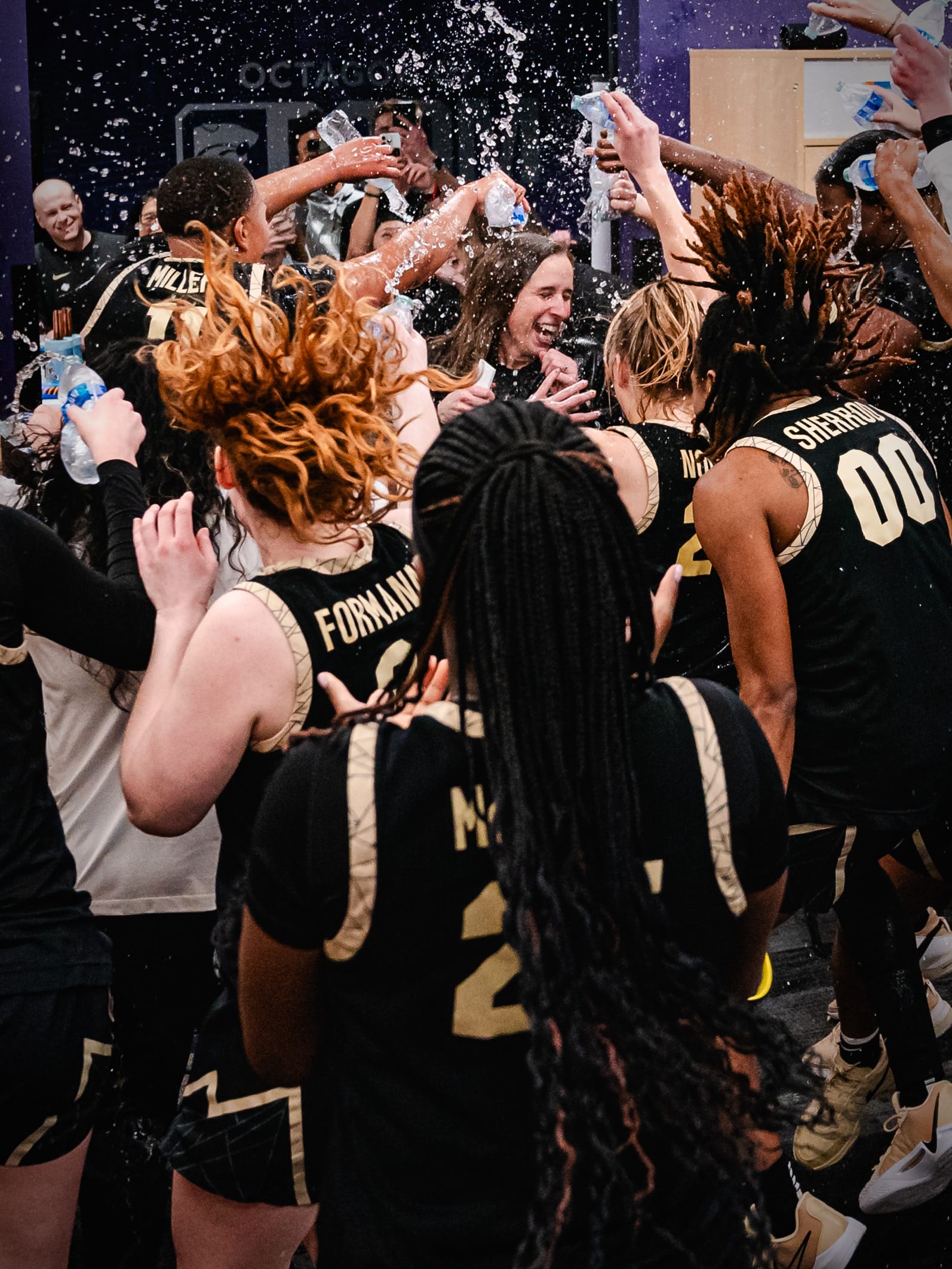
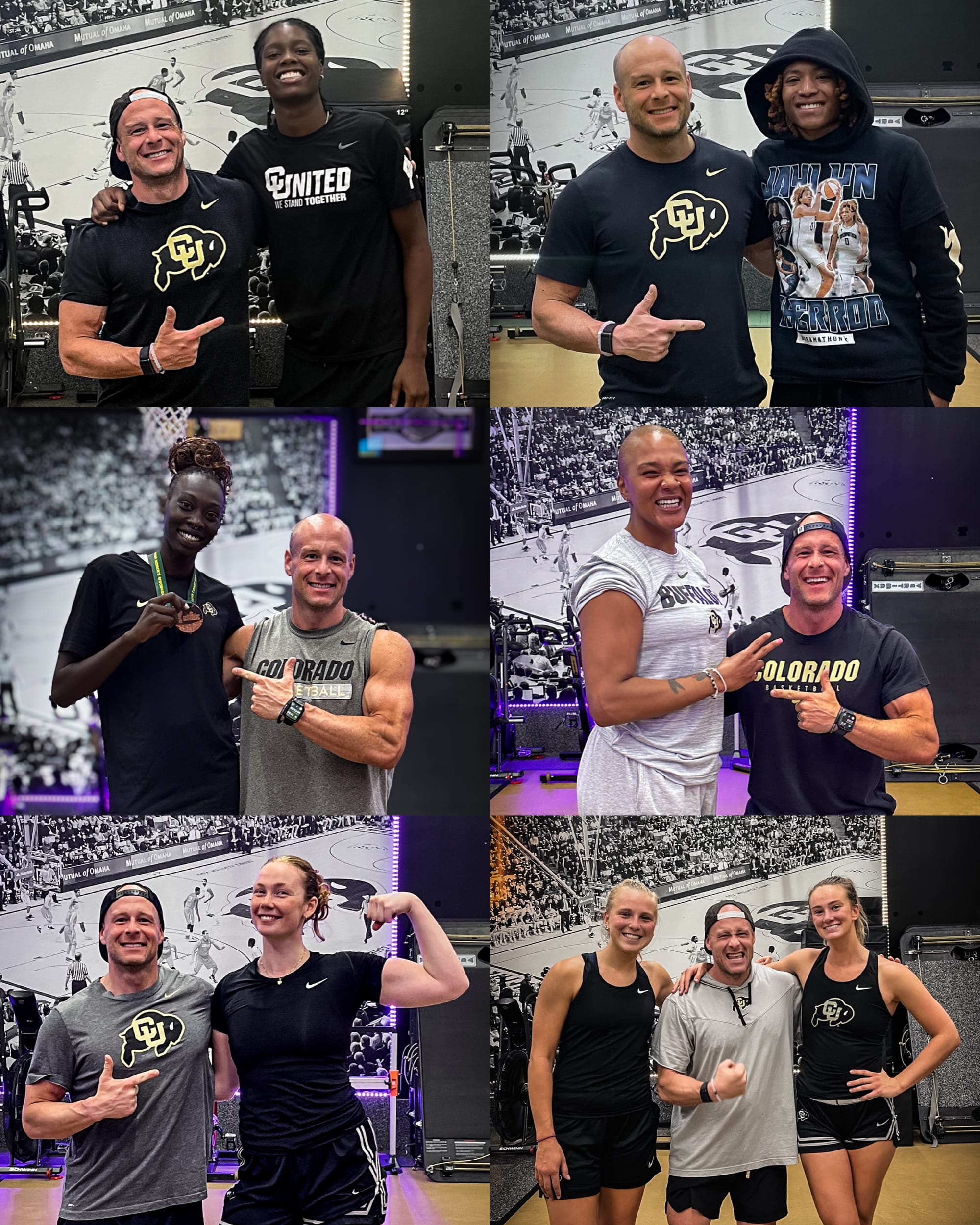
I think when I look back on these years, and the time I spent doing this, I would say it’s the people I stood beside every day. There’s a certain understanding, a certain type of connection, a certain type of camaraderie, if you will, between coaches who understand the environment, the same challenges, the same requirements, and the same expectation to show up every day, no matter what. It’s not necessarily a connection based on working together, it’s based on the experience itself, and the understanding that comes from working through the highs and the lows, the ups and the downs, the ins and the outs, and everything in between. You don’t necessarily need to say much when you have this type of connection, it’s the experience itself.
Trust is another element that becomes more significant as you get further into it. Being trusted with a group, with a culture, with a group of athletes is something that means a lot. It’s not just about creating a program or a workout. It’s about being a part of something bigger than yourself. Being a part of Colorado Women’s Basketball allowed me to come into a situation where there was already a strong culture and find ways to support and enhance it. There were moments where everything fell into place and it all came together as you hoped it would. There were moments where it tested you, where you had to adapt, where you had to be patient. Both are necessary. Both are important. Both play a part in how you grow as a coach.
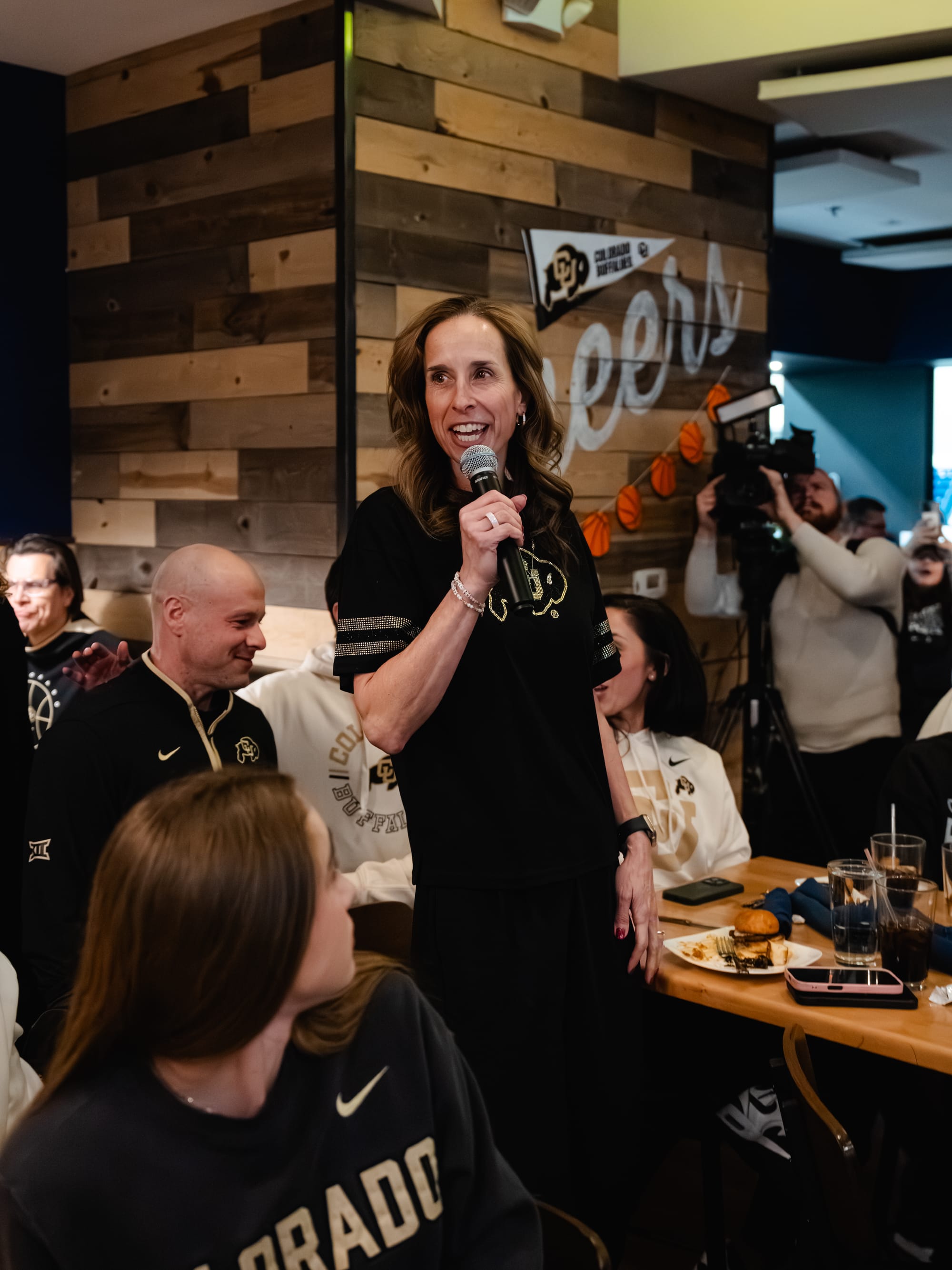
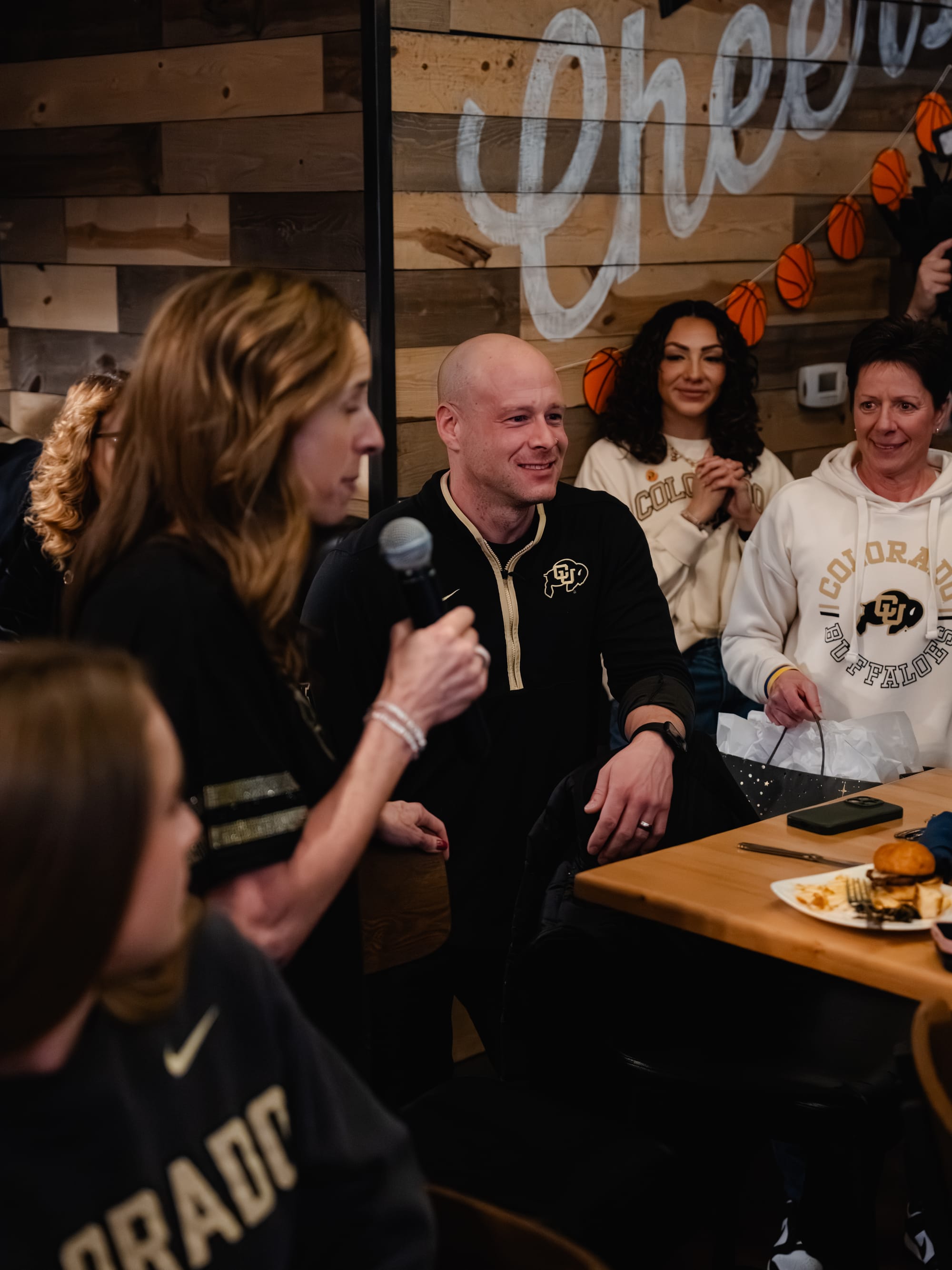
What is not always talked about is the people behind the scenes who make it all happen. There is a group of people behind each successful program, and each day, everyone is showing up with a commitment to the athlete. These are the people you spend the long days with, the people who understand what the job entails without you needing to explain it to them. These people, over time, become one of the biggest rewards you have.
Within the group, the work is a constant cycle of problem-solving. Performance and medicine are always working in tandem, trying to find the right balance between challenging the athlete to get better and making sure the athlete is ready to perform. There is not a science to it, and it is not always easy. There is a level of uncertainty in each decision made. However, when you have the right people around you, you work through it and make it happen.
At the center of it all, though, are the athletes. They are the reason that any of this even matters in the first place. You can put together the best program, develop the most intricate system, and think about every single aspect of the way you develop, and it still won’t work if you don’t have the athletes that are willing to put in the work and invest in the process. It’s not necessarily what happens in the end that stands out, though, as much as it is the way you see the athletes grow as individuals along the way. It’s seeing confidence build, seeing resilience build, and seeing them begin to understand what it is that they are truly capable of.
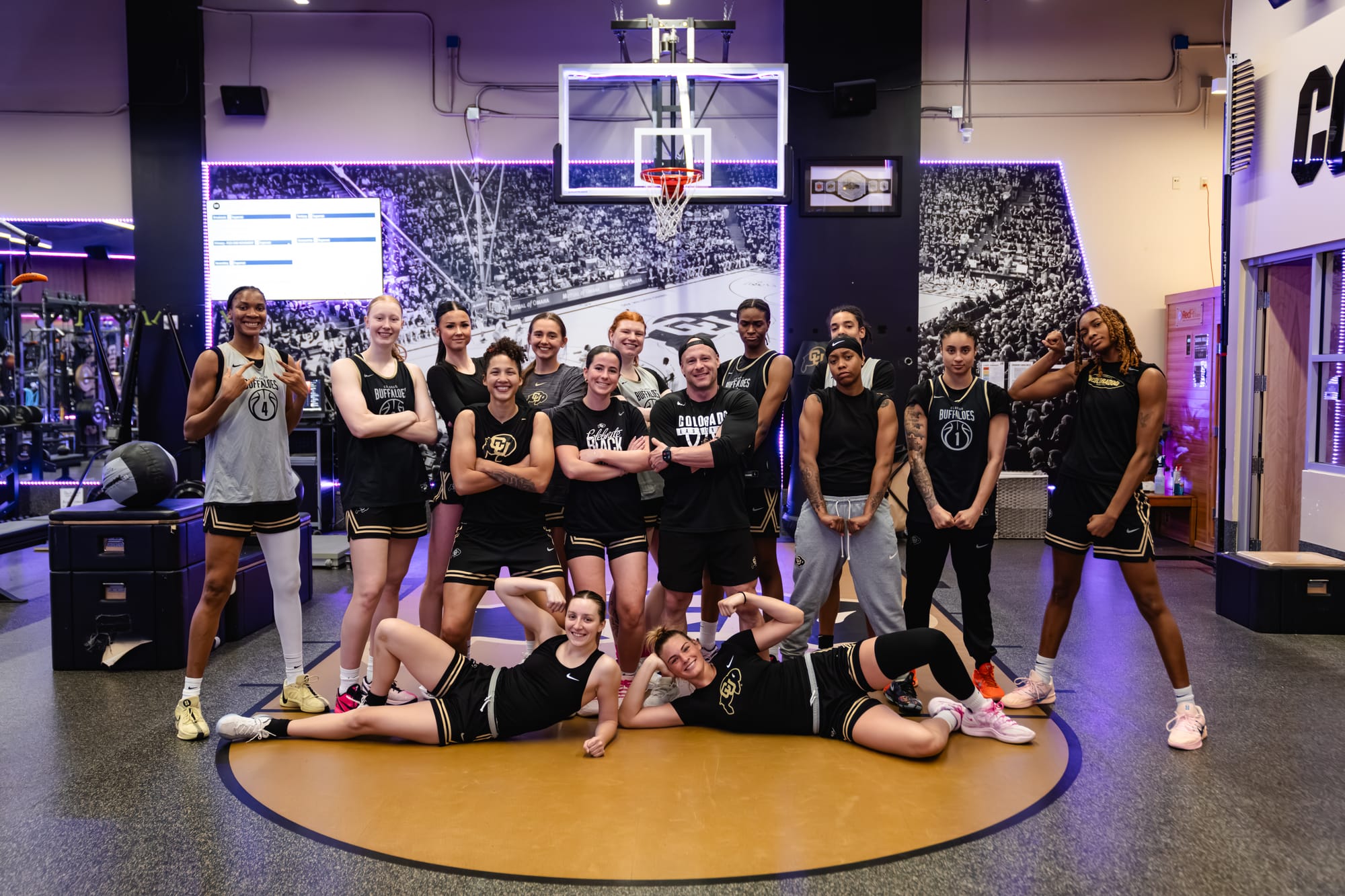
And the truth of it is, it’s also seeing how they affect you in return, as well. It’s seeing how they challenge you to be a better coach, a better communicator, and a better representative of what it means to be consistent in what you do and how you do it. It’s seeing how they challenge you and test you in ways that you don’t even begin to recognize at the time.
It’s hard to put a finger on any one moment or any one season in particular that really stands out as a defining moment of my time at the University of Colorado, though, as much as it is seeing the way that it’s all added up and put together as a whole. It’s seeing the way that this place gave me an opportunity to learn, an opportunity to fail, and an opportunity to work on what it is that I think and how I work, in a way that really matters.
Perhaps one of the biggest takeaways, though, is seeing the way in which this profession is really a people-based profession, and seeing the way in which it’s easy to get caught up in programs and data and all of that, and seeing the way in which it’s really the relationships and the way in which you build trust that really matters in the end.
It’s not easy to leave a place like this. There’s a sense of what’s next, and it’s time to move on to the next challenge, the next change of environment. There’s also the understanding of what’s being left behind. The people, the daily routines, the familiarity of a place that’s been a part of your daily life for so many years. It’s not easy. It’s not easy. There’s the appreciation for what’s been, and there’s the curiosity for what’s next.
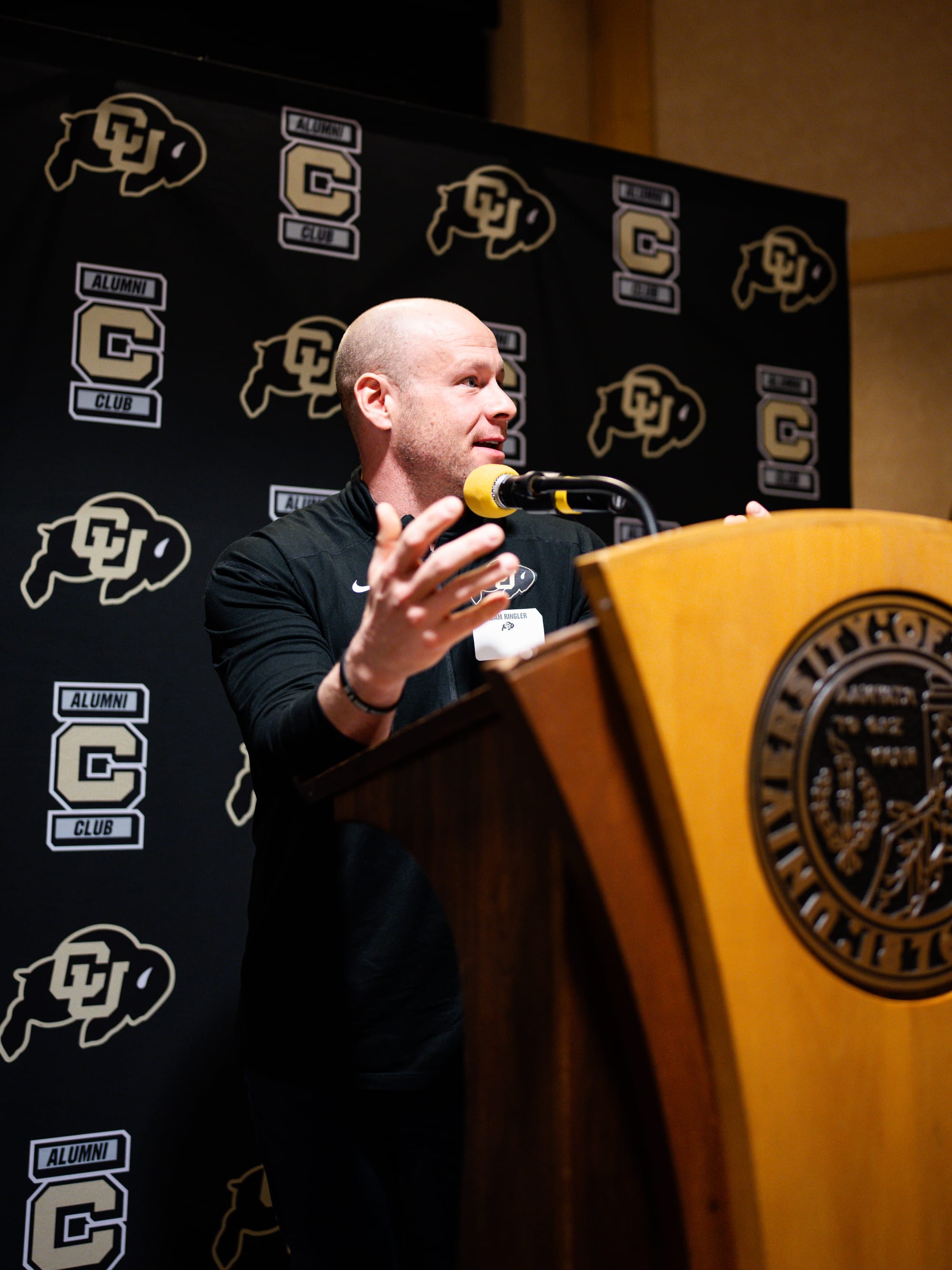
What I know for sure is that experiences like this one don’t stay behind. The learnings, the views, and the relationships move forward with you. They influence your approach to the next opportunity, your views on your place, and your ongoing growth within this industry.
If there’s one message that I hope to leave with the athletes and the individuals that I have worked with, it’s to stay curious. Growth, learnings, and progress don’t come from having all the answers.
It’s from continuing to ask better questions, staying open to new ideas, and being willing to adjust if necessary. The minute you think you know everything, progress starts to slow down.
Being consistent with your effort, your work, and your commitment to ongoing growth over time is the most important thing. Not one moment, one epiphany, or one discovery, but the accumulation of effort over time.
To everyone who was part of this journey, I want to say thank you. Thank you for the trust, the work, and the relationships that came from it. Those are the things that stay with you.
It’s not an end; it’s a transition. It’s a continuation of the same approach, just in a different place.